
The skincare industry has changed dramatically in recent years there is a lot of Best Skincare Brands. Instead of simply looking for products with attractive packaging or celebrity endorsements, consumers are becoming more interested in ingredients, formulation quality, skin-barrier health, and evidence behind product claims.
In 2026, there are countless skincare brands competing for attention, from affordable drugstore names to dermatologist-focused companies and innovative Korean beauty brands. With so many choices, finding products that actually suit your skin can feel overwhelming not make up is important.
The good news is that you don’t necessarily need a complicated 10-step routine. Understanding what a brand focuses on can make it easier to decide which products may fit your needs.
Here are 10 skincare brands worth knowing in 2026, each with a distinctive approach to modern skincare.
1. CeraVe Best Skincare Brands
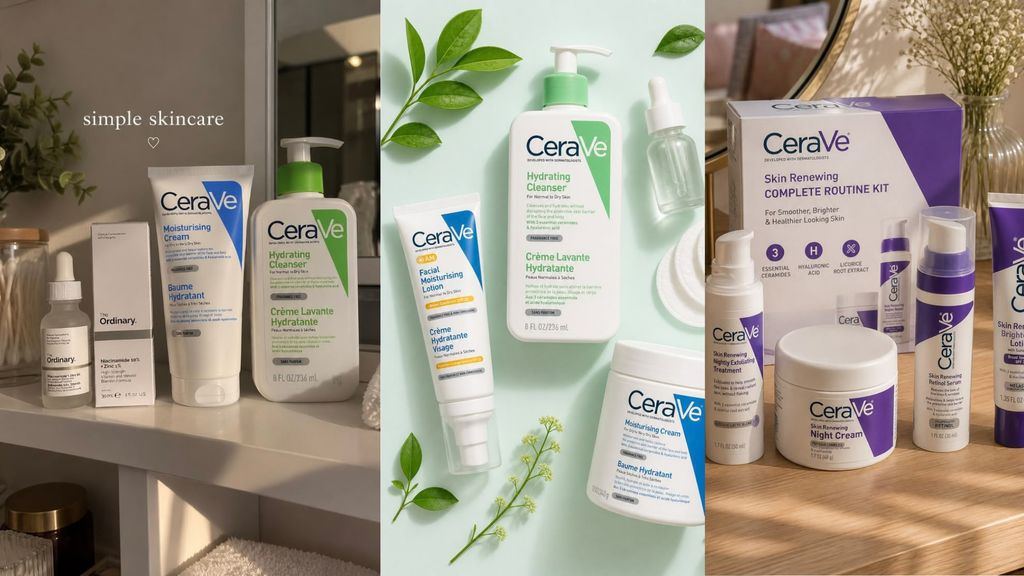
CeraVe has become one of the most recognizable names in accessible skincare, particularly for people interested in maintaining a healthy skin barrier.
The brand was founded in 2005 after dermatologists identified the importance of the skin barrier in conditions associated with dryness and irritation. CeraVe says its products are developed with dermatologists and commonly feature three essential ceramides: ceramides 1, 3, and 6-II. The brand also uses its MultiVesicular Emulsion (MVE) delivery technology in many formulations to provide extended moisturization.
CeraVe offers products covering cleansers, moisturizers, serums, sunscreens, body care, and more. Its focus on relatively straightforward, barrier-supporting skincare has made it particularly popular among people who want to keep their routine simple.
Why know the brand: CeraVe is particularly associated with ceramides, hydration, and dermatologist-developed skincare.
2. La Roche-Posay
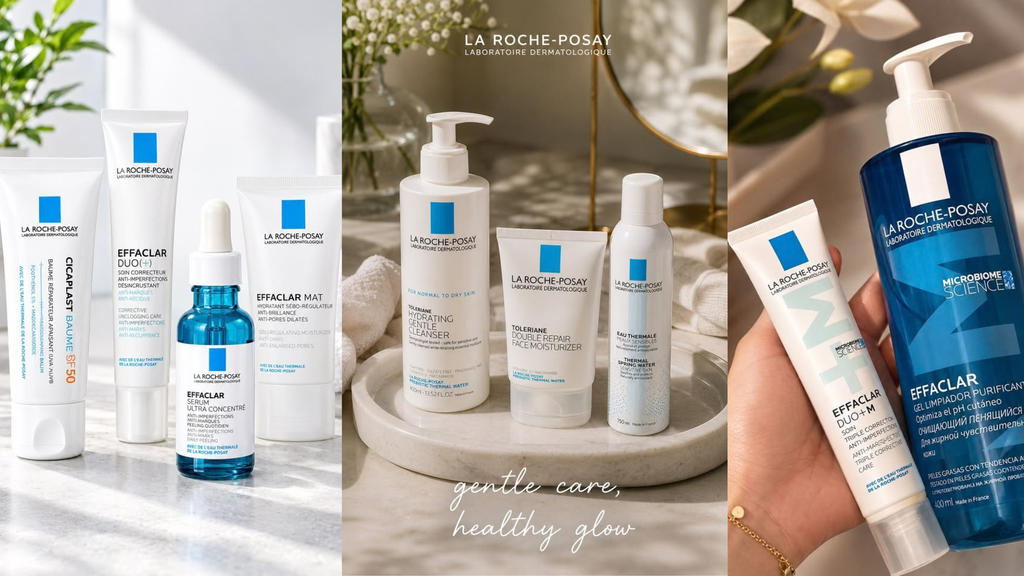
La Roche-Posay is another major dermatologist-focused skincare brand, with a strong emphasis on sensitive skin and scientifically informed formulations.
The brand’s history is closely connected to the thermal spring water of La Roche-Posay, France. According to the company, this water is a core ingredient in many of its products and contains minerals and trace elements, including selenium. La Roche-Posay also says its development process involves dermatologists and extensive dermatological research.
Its product range includes cleansers, moisturizers, sunscreens, acne-focused products, and skincare for sensitive or reactive skin.
One reason the brand stands out is its broad approach to different skin concerns. Someone dealing with dryness may look toward its Toleriane range, while consumers concerned with blemishes or sun protection can explore other product lines.
Why know the brand: La Roche-Posay combines a pharmacy-style skincare identity with products designed around sensitive skin and dermatological research.
3. The Ordinary
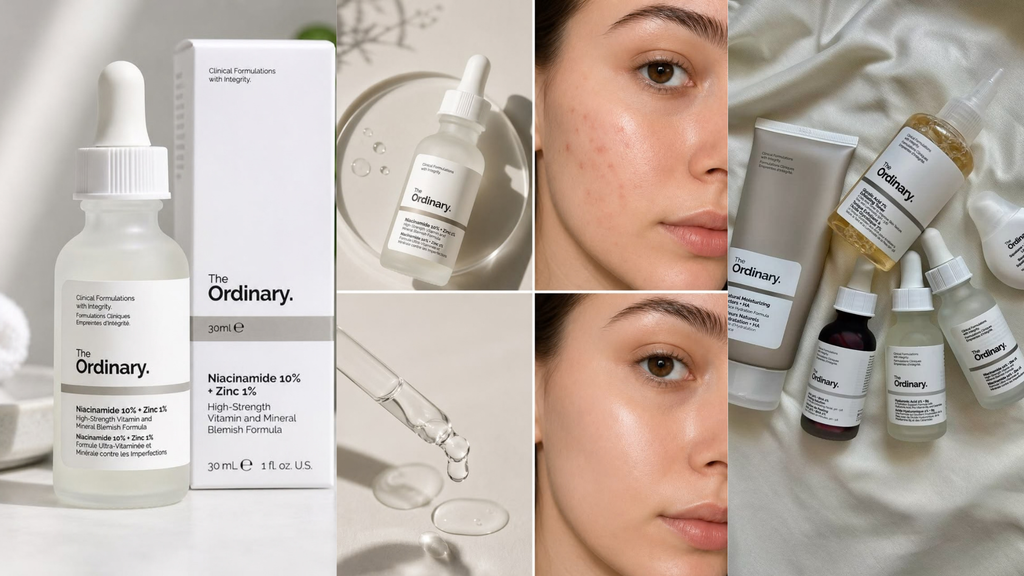
The Ordinary helped make ingredient-focused skincare mainstream. Rather than emphasizing complicated product names or luxury positioning, the brand puts individual ingredients and their functions at the center of its communication.
The company’s approach is based on targeted skincare ingredients and educating consumers about what those ingredients are intended to do. The Ordinary says its formulations undergo clinical testing and multiple quality, microbiological, regulatory, and safety assessments before manufacturing.
Its portfolio includes ingredients such as niacinamide, hyaluronic acid, retinoids, peptides, vitamin C, and exfoliating acids.
This ingredient-first approach can be useful for consumers who want to understand what they are applying to their skin. However, more active ingredients don’t automatically mean better results. Beginners should introduce new actives gradually and avoid combining too many potentially irritating products at once.
Why know the brand: The Ordinary is particularly relevant for consumers who want ingredient transparency and targeted skincare at accessible prices.
4. COSRX
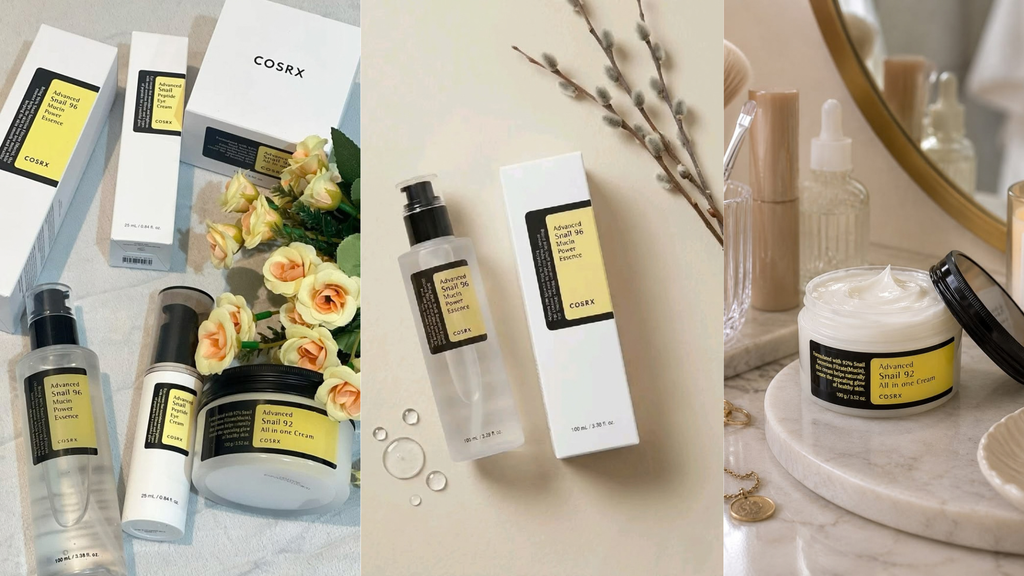
Korean skincare continues to have a major influence on global beauty trends, and COSRX is one of the brands that helped introduce K-beauty ingredients and routines to a much wider audience.
COSRX is particularly famous for its snail mucin products. Its Advanced Snail line includes products formulated with high concentrations of snail secretion filtrate. The company describes the range as being designed around hydration, skin comfort, and barrier care.
Beyond snail mucin, COSRX offers products for acne, pores, dryness, redness, uneven tone, and other concerns.
Its popularity also reflects a broader shift in skincare: consumers increasingly want lightweight textures, hydrating layers, and products that can fit into relatively simple routines.
Why know the brand: COSRX is a notable K-beauty name, especially for people interested in snail mucin, hydration, and gentle-looking formulations.
5. Paula’s Choice
Paula’s Choice has built its identity around research-focused skincare and consumer education.
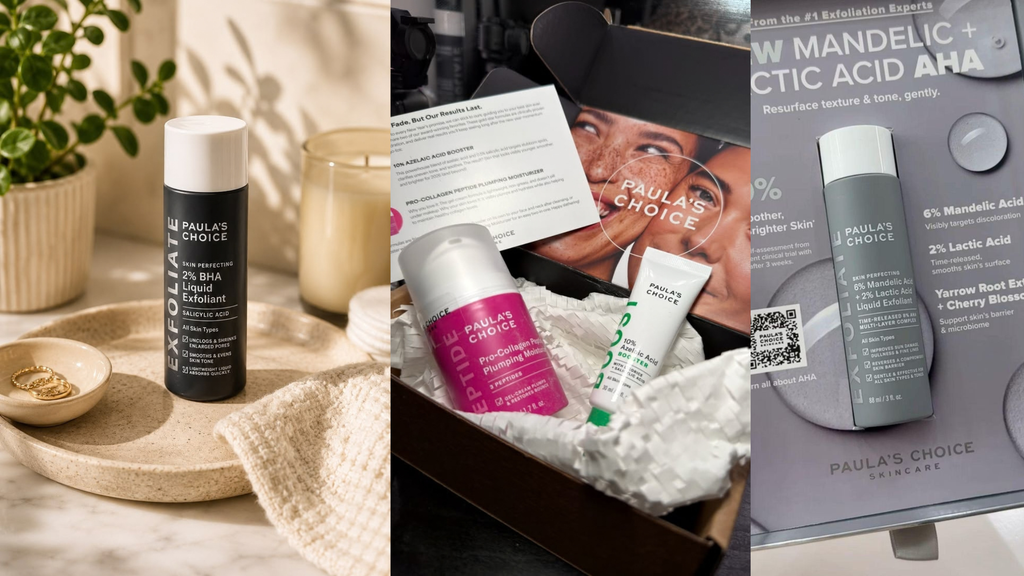
The brand was launched in 1995 by Paula Begoun, who focused on researching cosmetic ingredients and skincare formulations. Today, Paula’s Choice says its research team evaluates scientific and medical literature and works with a Science Advisory Board that includes cosmetic chemists and dermatologists.
The brand is especially well known for exfoliating products, including formulas featuring salicylic acid, as well as products targeting acne, uneven texture, visible signs of aging, and other concerns.
An important part of its philosophy is that skincare should be based on evidence rather than simply following beauty trends. The company also emphasizes that “clean beauty” is not a regulated term and prefers to focus on ingredient safety and research instead.
Why know the brand: Paula’s Choice is a strong option to explore if you are interested in ingredient education and research-led skincare.
6. Vanicream
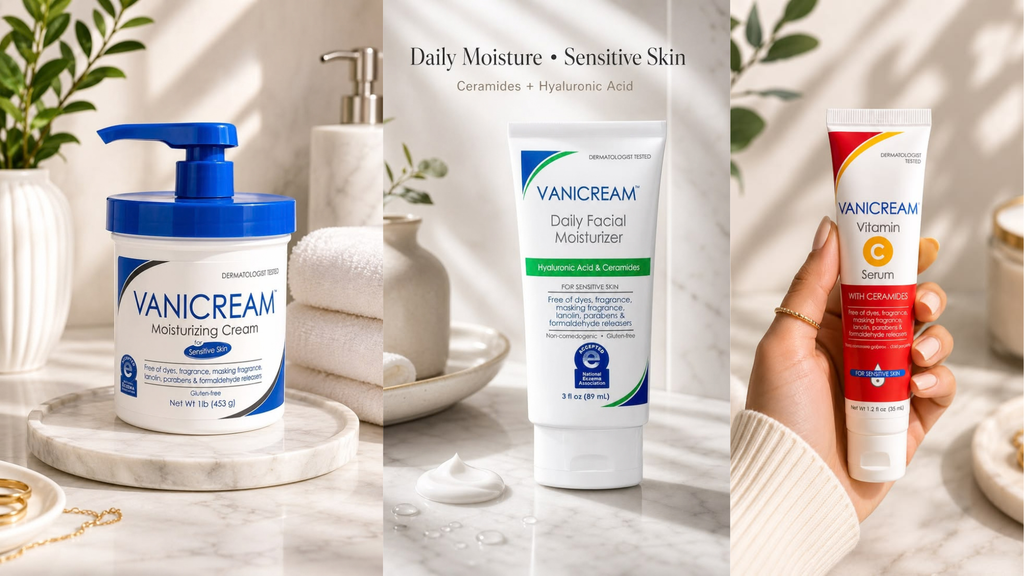
For people with sensitive skin, simplicity can be just as important as innovation. Vanicream has built its brand around products specifically formulated for sensitive skin.
The company says its products are free from several common potential irritants, including fragrance, masking fragrance, dyes, lanolin, parabens, and formaldehyde releasers. Its facial products include cleansers, moisturizers, and serums designed with sensitive skin in mind.
Vanicream is a useful brand to know if your skincare routine tends to become irritated when you introduce heavily fragranced or overly complicated products.
Its philosophy is relatively straightforward: focus on gentle formulas and avoid unnecessary ingredients that may be problematic for sensitive users.
Why know the brand: Vanicream is particularly relevant to consumers who prioritize fragrance-free and sensitive-skin-friendly skincare.
7. Avène
Avène is another French skincare brand with a strong association with sensitive and reactive skin.
The brand’s identity is closely connected with Avène Thermal Spring Water, which features throughout its skincare range. Its portfolio includes products designed for sensitive, dry, irritated, and blemish-prone skin.
One of the broader lessons from brands such as Avène is that skincare doesn’t always have to be aggressive to be effective. A routine focused on cleansing gently, maintaining hydration, supporting the skin barrier, and using sunscreen can be more practical for many people than constantly adding strong active ingredients.
Why know the brand: Avène is worth exploring if your main skincare priority is gentle care, hydration, and products designed with sensitive skin in mind.
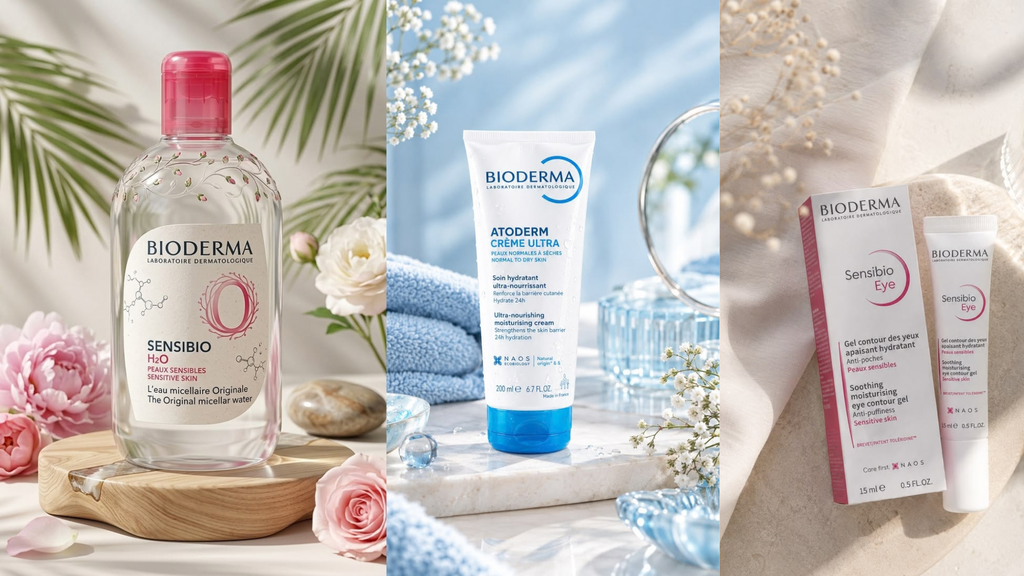
8. Bioderma
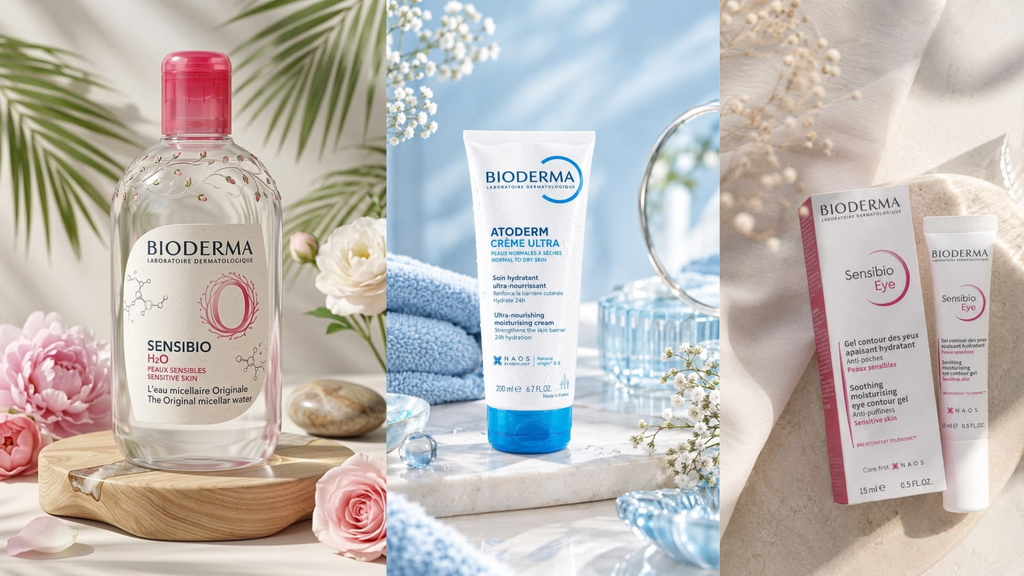
Bioderma approaches skincare from a biology-focused perspective. The brand’s philosophy centers on understanding the skin and creating products that work with its natural functions.
Bioderma is particularly well known internationally for its micellar water, which helped make micellar cleansing a major part of modern skincare routines.
The brand also has product ranges addressing different concerns, including sensitive skin, dryness, acne-prone skin, and pigmentation.
Bioderma is an interesting choice for people who want a skincare routine that combines cleansing and daily maintenance without relying on a large number of products.
Why know the brand: Bioderma is particularly recognized for its micellar cleansing products and skin-biology approach.
9. Neutrogena
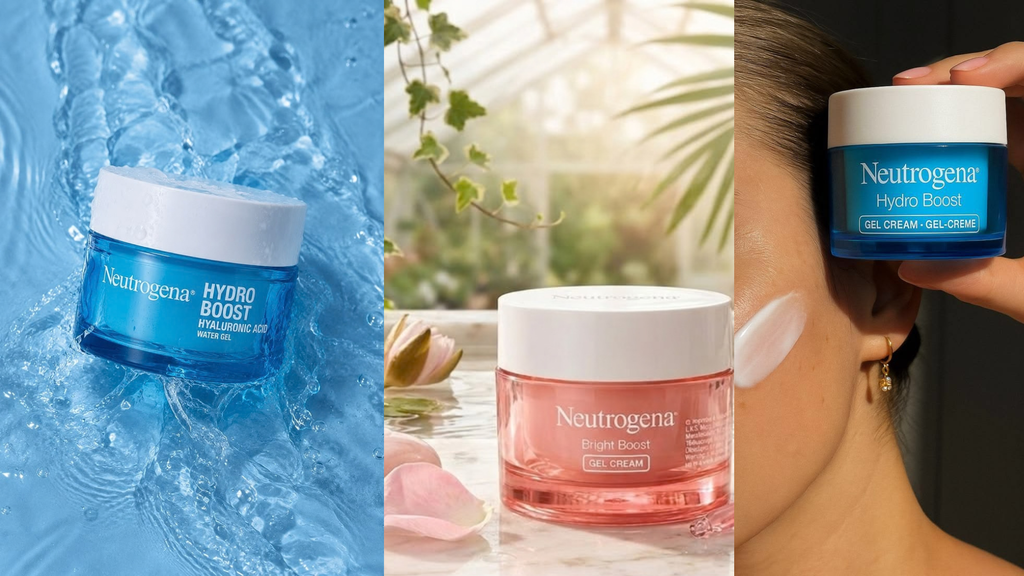
Neutrogena remains a familiar name in mainstream skincare, with a broad selection of products covering cleansing, moisturization, acne care, and sun protection.
One advantage of a large skincare brand is variety. Consumers can find different textures and formulations depending on whether they have oily, dry, combination, or normal skin.
Neutrogena has also helped make skincare products more accessible to everyday consumers by offering products through widely available retail channels.
For beginners, the brand can be worth exploring because a basic routine can often be built without purchasing numerous specialized products.
Why know the brand: Neutrogena offers a broad range of accessible skincare products for everyday concerns.
10. Skin1004
Skin1004 represents the continued global popularity of Korean skincare and its interest in soothing, minimalist-feeling formulations.
The brand is particularly associated with Madagascar Centella, an ingredient featured prominently across its product range. Centella asiatica is widely used in skincare formulations designed around soothing and skin comfort.
Skin1004 has gained attention among consumers who prefer lightweight Korean skincare products and routines focused on hydration and calming the appearance of stressed skin.
As with any skincare ingredient, however, individual reactions can vary. Even products marketed for sensitive skin should ideally be patch-tested before being incorporated fully into a routine.
Why know the brand: Skin1004 is a notable K-beauty brand for consumers interested in Centella-focused and soothing skincare.

How to Choose the Right Skincare Brand for You
Knowing the names of popular skincare brands is useful, but the most important question is not which brand is famous. It is whether a particular product fits your skin type, concerns, budget, and routine.
Start by identifying your primary concern.
If your skin is frequently dry or feels tight, look for products focused on hydration and barrier support. Ingredients such as ceramides, glycerin, and hyaluronic acid are commonly used in moisturizing formulations.
If you are concerned about breakouts, look for products formulated around ingredients such as salicylic acid or other acne-focused ingredients. Avoid assuming that stronger products will automatically produce faster results.
For sensitive skin, simplicity is often useful. Look for gentle, fragrance-free options and introduce new products one at a time.
If your primary concern is signs of aging, ingredients such as retinoids, vitamin C, and peptides may be worth researching. However, these ingredients can require careful introduction, particularly if your skin is sensitive.
And regardless of your skin type, daily sun protection is one of the most important parts of a skincare routine.
Final Thoughts
The skincare world in 2026 offers more choices than ever. From CeraVe’s barrier-focused formulas and La Roche-Posay’s dermatological approach to The Ordinary’s ingredient-first philosophy and COSRX’s K-beauty innovations, there is no shortage of brands to explore.
But skincare isn’t a competition between brands. The most expensive product isn’t automatically the most effective choice, and a product that works beautifully for one person may not suit someone else’s skin.
Instead of buying products simply because they are trending, pay attention to ingredients, formulation, your skin’s needs, and how your skin responds over time.
A good skincare routine doesn’t have to contain dozens of products. In many cases, a consistent routine built around a gentle cleanser, suitable moisturizer, and daily sunscreen can provide a strong foundation. Targeted products can then be added according to individual concerns.
Ultimately, the best skincare brand for you is the one whose products fit your skin, lifestyle, and budget—and whose claims you can evaluate with a critical eye.